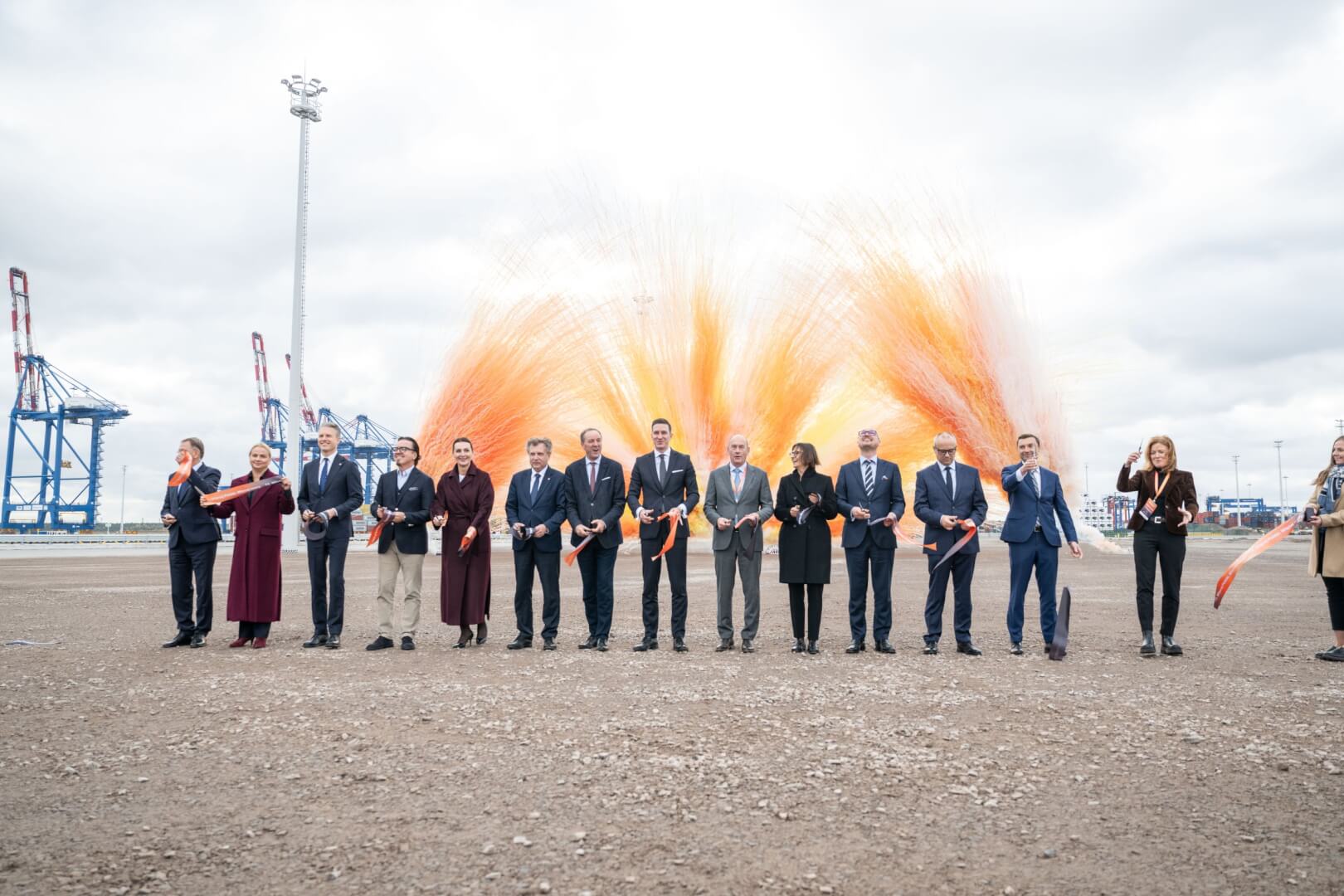
Spółka Istrana otworzyła terminal T5 w Porcie Gdańsk — nową bazę instalacyjną dla morskich farm wiatrowych na Bałtyku. Inwestycja o wartości około 1,2 mld zł brutto, której przyznano ponad 900 mln zł dofinansowania z Krajowego Planu Odbudowy, zapewnia ponad 21 hektarów powierzchni do magazynowania, wstępnego montażu i załadunku elementów turbin wiatrowych. Projekt zrealizowano pod przewodnictwem Polskiego Funduszu Rozwoju, większościowego inwestora i lidera przedsięwzięcia, we współpracy z Baltic Hub Container Terminal Sp. z o.o.
Terminal T5 powstał na terenie Baltic Hub z myślą o obsłudze specjalistycznych jednostek transportowych i instalacyjnych wykorzystywanych przy budowie morskich farm wiatrowych. Nowa infrastruktura stanowi zaplecze dla inwestycji energetycznych na Bałtyku, wspierając transformację energetyczną i wzmacniając bezpieczeństwo energetyczne Polski.
Inwestorem jest spółka celowa Istrana, w której 85 proc. udziałów posiada fundusz PFR FI FIZ AN, a pozostałe 15 proc. należy do Baltic Hub. PFR pełnił rolę większościowego inwestora i lidera przedsięwzięcia, angażując się w jego przygotowanie, finansowanie i nadzór nad realizacją.
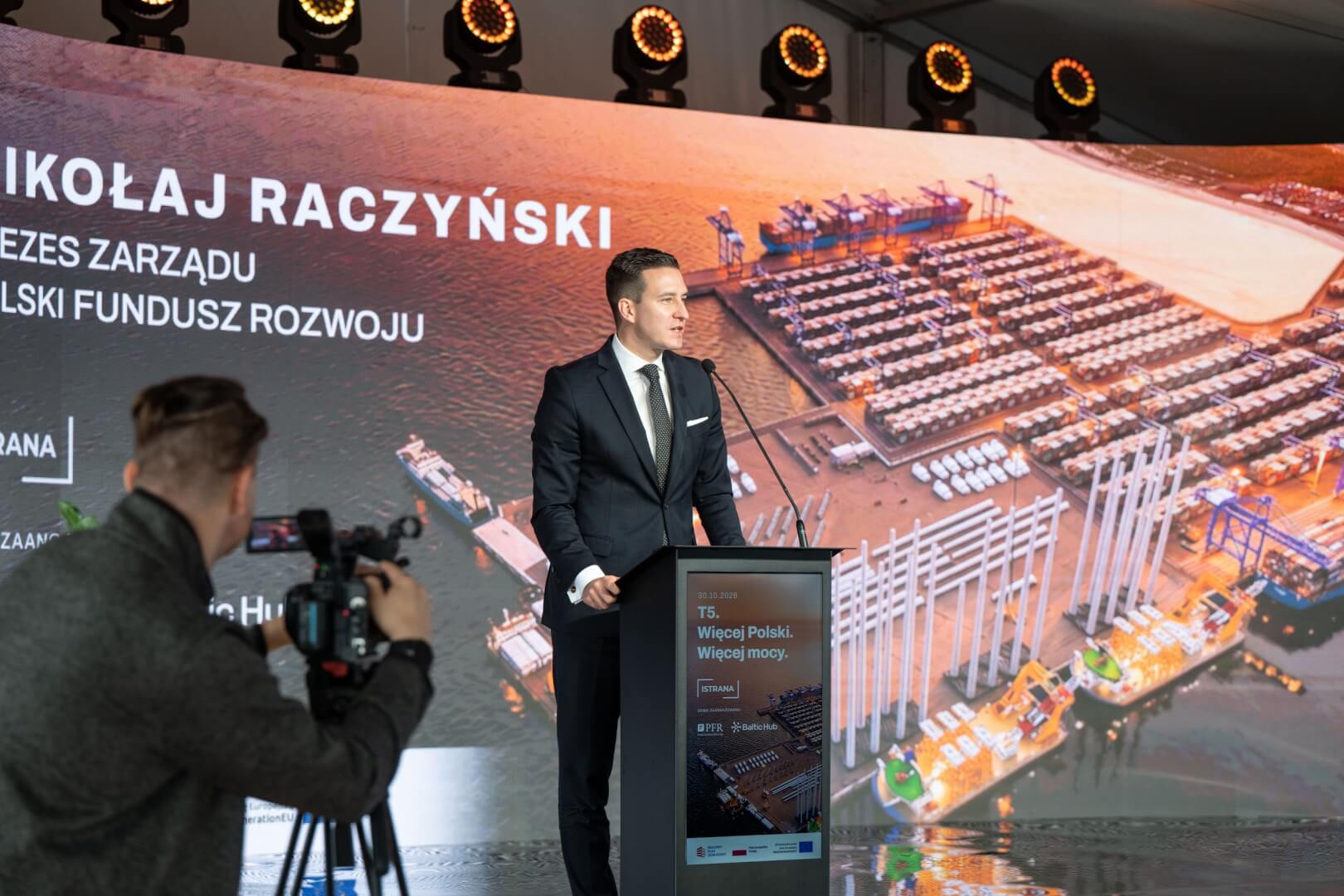
– Oddając do użytku terminal T5 w Gdańsku, dodajemy 21 hektarów nowej przestrzeni dla polskiej gospodarki. W projekcie T5 PFR pełnił rolę większościowego inwestora i lidera przedsięwzięcia. Wspólnie z partnerami stworzyliśmy zaplecze dla rozwoju morskiej energetyki wiatrowej. To inwestycja w bezpieczeństwo energetyczne, niższe ceny energii i konkurencyjność polskiej gospodarki” – mówi Mikołaj Raczyński, prezes zarządu PFR.
Projekt T5 łączy rozwój infrastruktury terminalowej z potrzebami transformacji energetycznej — obszarem, w którym Baltic Hub dostrzega swoją rolę jako partner inwestycji.
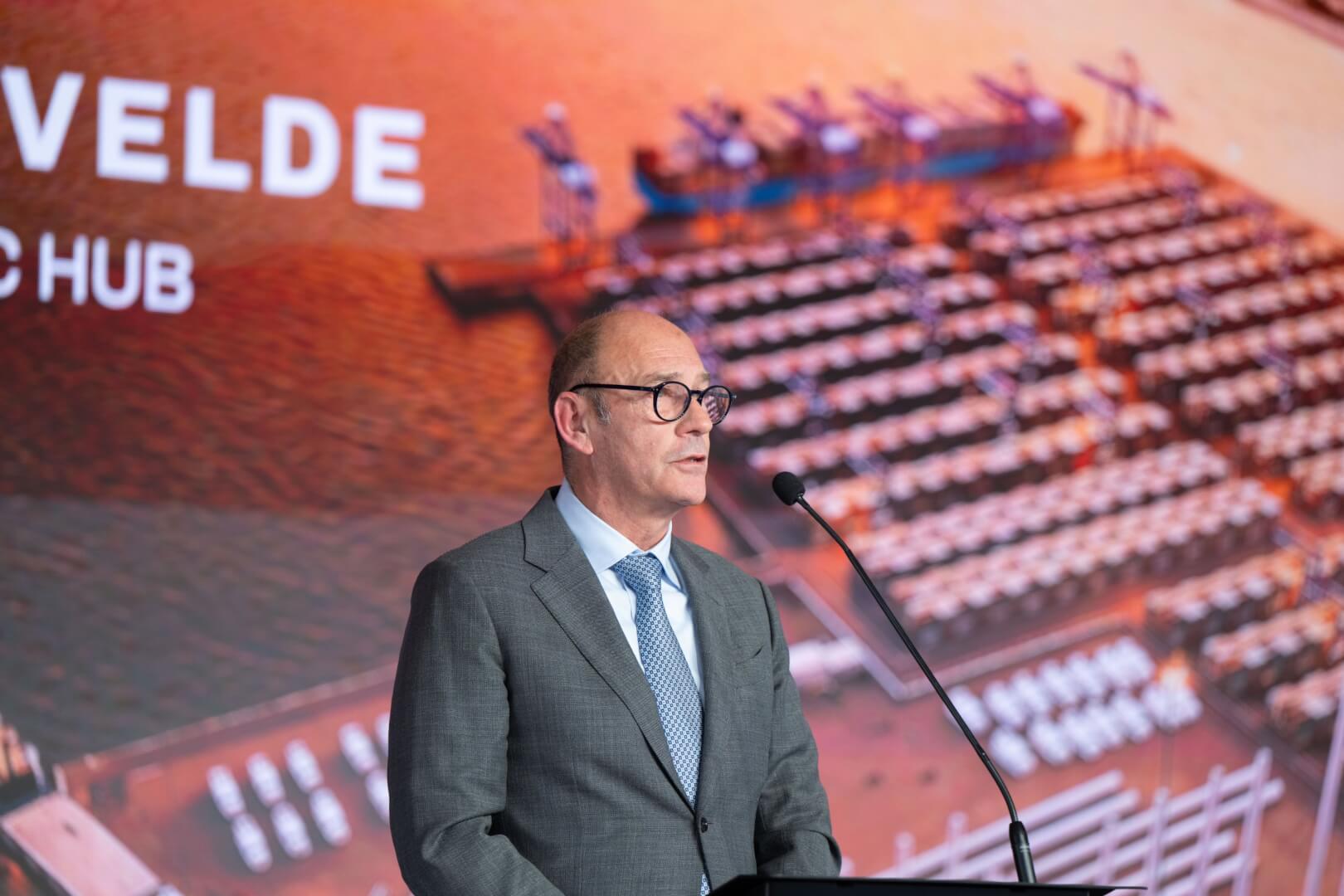
– Zrównoważony rozwój jest dla Baltic Hub kierunkiem, który realizujemy zarówno w naszej działalności, jak i poprzez zaangażowanie w transformację energetyczną. Udział w projekcie T5 pozwala nam wspierać rozwój morskiej energetyki wiatrowej, wykorzystując nasze doświadczenie w tworzeniu infrastruktury terminalowej. Wspólnie z partnerami budujemy w ten sposób zaplecze dla gospodarki opartej na niskoemisyjnych źródłach energii – mówi Jan van Mossevelde, Dyrektor Generalny Baltic Hub.
Nowa infrastruktura odpowiada na konkretne potrzeby inwestorów przygotowujących budowę morskich farm wiatrowych — od magazynowania wielkogabarytowych komponentów po ich załadunek na jednostki instalacyjne.
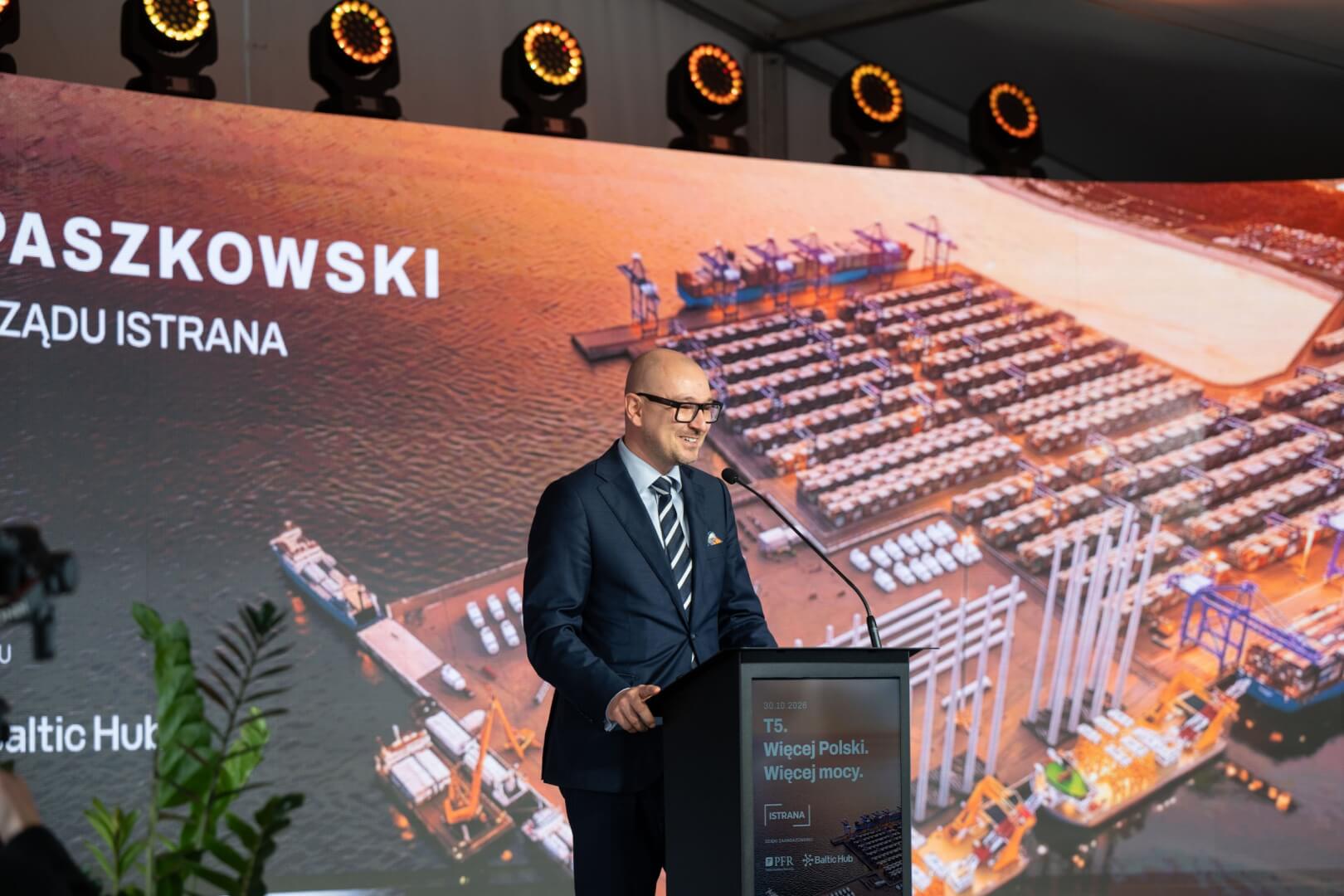
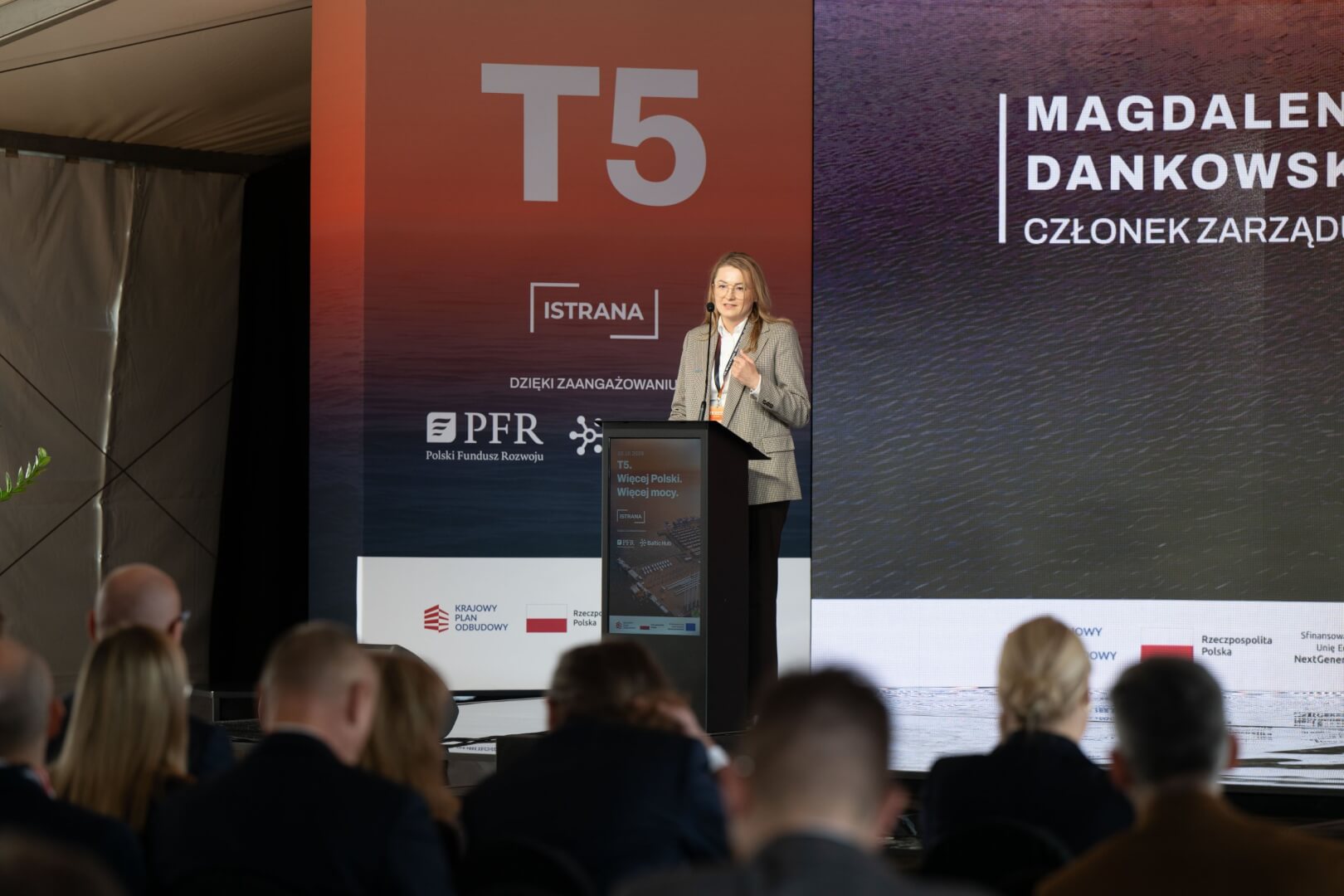
– Budowa morskich farm wiatrowych wymaga zaplecza, które pozwoli bezpiecznie i sprawnie przygotować największe komponenty do instalacji na morzu. Realizując terminal T5, stworzyliśmy infrastrukturę odpowiadającą tym wymaganiom i potrzebom kolejnych projektów na Bałtyku. Zaangażowanie PFR, współpraca z Baltic Hub oraz dofinansowanie z KPO pozwoliły przełożyć te potrzeby na konkretną inwestycję. Dla Istrany otwarcie terminalu oznacza przejście od realizacji projektu do udostępnienia infrastruktury, która będzie wspierać rozwój morskiej energetyki wiatrowej w Polsce – mówi Lech Paszkowski, prezes Istrany.
Ponad 900 mln zł dofinansowania z KPO
Terminal T5 powstał z wykorzystaniem środków krajowych i europejskich. Projektowi przyznano ponad 900 mln zł dofinansowania z Krajowego Planu Odbudowy. Wsparcie to stanowi istotny element finansowania inwestycji, której całkowita wartość wynosi około 1,2 mld zł brutto.
Dzięki realizacji przedsięwzięcia powstała infrastruktura umożliwiająca prowadzenie w Polsce operacji montażowych i logistycznych niezbędnych do budowy morskich farm wiatrowych. Terminal tworzy również warunki do większego udziału krajowych przedsiębiorstw w łańcuchu dostaw tego sektora.
Infrastruktura do obsługi największych elementów turbin
W ramach inwestycji utworzono ponad 21 hektarów nowego lądu i wybudowano około 900 metrów nabrzeży o głębokości technicznej 17,5 metra. Terminal umożliwia jednoczesną obsługę dwóch statków instalacyjnych. Place składowe i strefy przeładunkowe przygotowano do obsługi wielkogabarytowych elementów turbin, w tym łopat, sekcji wież i gondoli. W strefach o podwyższonej nośności dopuszczalne obciążenia sięgają 40 ton na metr kwadratowy.
Realizacja projektu wymagała rozległych prac hydrotechnicznych i wzmocnienia podłoża. Do utworzenia nowego terenu wykorzystano około 3,5 mln m³ piasku, a na potrzeby posadowienia infrastruktury wykonano blisko 2,7 tys. pali o łącznej długości około 85 kilometrów.
Generalnym wykonawcą terminalu była polska Grupa NDI. W szczytowym momencie na budowie pracowało jednocześnie około 300 osób reprezentujących kilkadziesiąt firm i podwykonawców.
Realizacja T5 wymagała skoordynowania prac hydrotechnicznych, geotechnicznych i konstrukcyjnych. Dla generalnego wykonawcy otwarcie terminalu jest również okazją do spojrzenia na długofalowe efekty tej inwestycji.
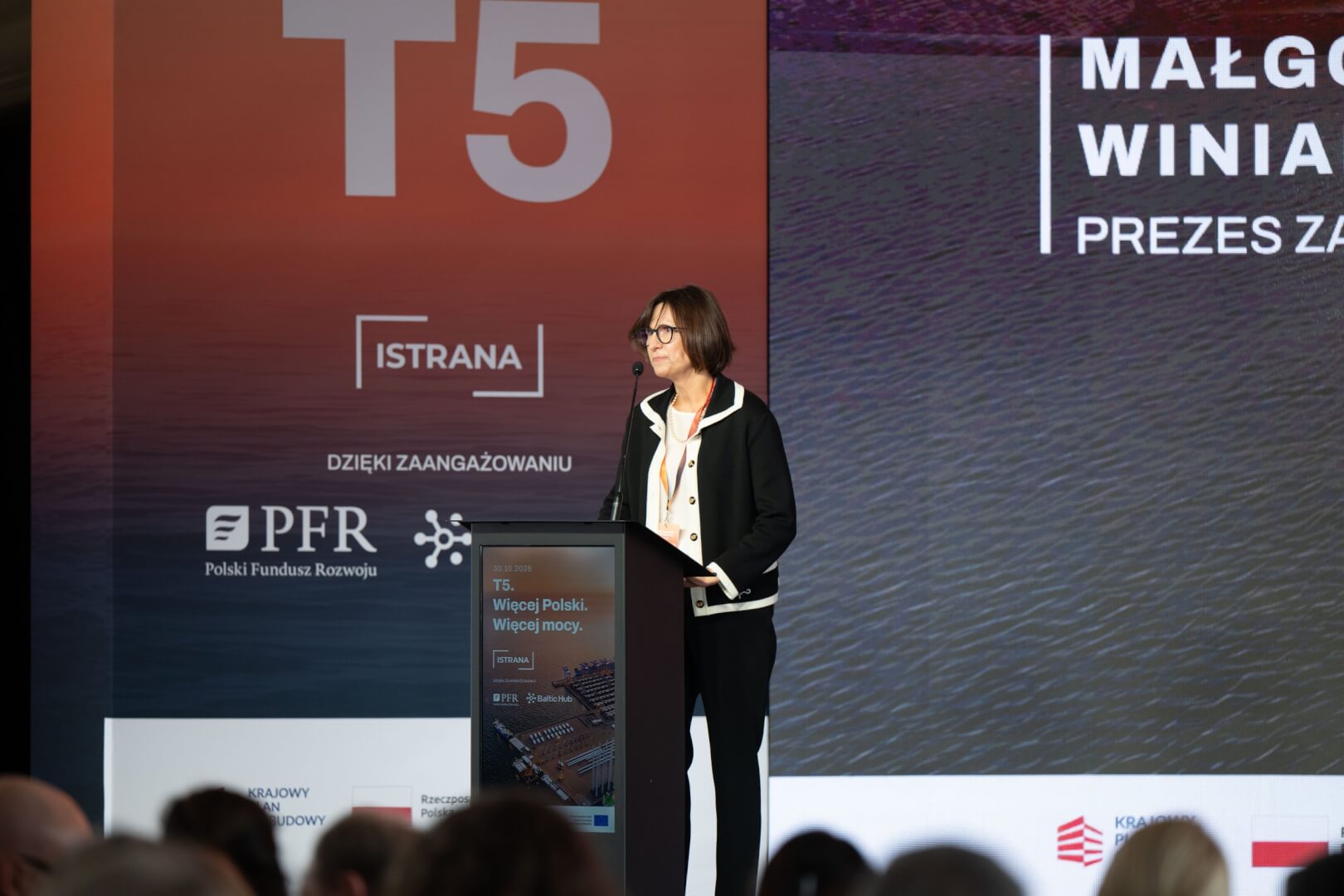
– Terminal T5 jest dowodem, że kiedy wiedza, odpowiedzialność i ambicja spotykają się z odważną wizją, powstają inwestycje o znaczeniu wykraczającym daleko poza samą budowę. Dziś oddajemy do użytku obiekt, który już „jutro” będzie pracował na rozwój regionu, gospodarki i ludzi. To właśnie znaczy dla NDI budować przyszłość – mówi Małgorzata Winiarek-Gajewska, Prezes Zarządu Grupy NDI.
Uruchomienie terminalu zwiększa krajowe możliwości obsługi inwestycji offshore i tworzy zaplecze dla współpracy producentów, firm budowlanych, przedsiębiorstw logistycznych oraz dostawców usług zaangażowanych w rozwój sektora.
Istrana has opened Terminal T5 at the Port of Gdańsk — a new installation base for offshore wind farms in the Baltic Sea. The project, with a gross value of approximately PLN 1.2 billion and having received over PLN 900 million in funding from the National Recovery Plan, provides over 21 hectares of space for the storage, pre-assembly and loading of wind turbine components. The project was carried out under the leadership of the Polish Development Fund, the majority investor and project leader, in collaboration with Baltic Hub Container Terminal Sp. z o.o.
Terminal T5 was built on the Baltic Hub site to serve specialist transport and installation vessels used in the construction of offshore wind farms. The new infrastructure provides a base for energy investments in the Baltic Sea, supporting the energy transition and strengthening Poland’s energy security.
The investor is the special-purpose vehicle Istrana, in which the PFR FI FIZ AN fund holds an 85 per cent stake, whilst the remaining 15 per cent is owned by Baltic Hub. PFR acted as the majority investor and project leader, playing an active role in its preparation, financing and supervision of implementation.
– “By commissioning the T5 terminal in Gdańsk, we are adding 21 hectares of new space for the Polish economy. In the T5 project, PFR acted as the majority investor and project leader. Together with our partners, we have created the infrastructure for the development of offshore wind energy. This is an investment in energy security, lower energy prices and the competitiveness of the Polish economy,” says Mikołaj Raczyński, CEO of PFR.
The T5 project combines the development of terminal infrastructure with the needs of the energy transition — an area in which Baltic Hub sees its role as an investment partner.
– For Baltic Hub, sustainable development is a direction we are pursuing both in our operations and through our involvement in the energy transition. “Our participation in the T5 project allows us to support the development of offshore wind energy by drawing on our experience in building terminal infrastructure. Together with our partners, we are thus building the foundations for an economy based on low-carbon energy sources,” says Jan van Mossevelde, Chief Executive of Baltic Hub.
The new infrastructure meets the specific needs of investors preparing to build offshore wind farms — from the storage of large-scale components to their loading onto installation vessels.
– The construction of offshore wind farms requires facilities that will enable the largest components to be safely and efficiently prepared for installation at sea. By developing the T5 terminal, we have created infrastructure that meets these requirements and the needs of future projects in the Baltic Sea. PFR’s involvement, our collaboration with Baltic Hub and funding from the National Reconstruction Plan (KPO) have enabled us to translate these needs into a concrete investment. For Istrana, the opening of the terminal marks the transition from project implementation to the provision of infrastructure that will support the development of offshore wind energy in Poland,” says Lech Paszkowski, CEO of Istrana.
Over PLN 900 million in funding from the National Recovery Plan
The T5 terminal was built using national and European funds. The project was awarded over PLN 900 million in funding from the National Recovery Plan. This support constitutes a significant part of the financing for the investment, the total gross value of which is approximately PLN 1.2 billion.
The completion of the project has created infrastructure enabling the assembly and logistics operations necessary for the construction of offshore wind farms to be carried out in Poland. The terminal also creates the conditions for greater participation by domestic companies in the sector’s supply chain.
Infrastructure for handling the largest turbine components
As part of the investment, over 21 hectares of new land were reclaimed and approximately 900 metres of quays with a technical depth of 17.5 metres were constructed. The terminal allows for the simultaneous servicing of two installation vessels. Storage yards and transhipment areas have been prepared to handle large-scale turbine components, including blades, tower sections and nacelles. In areas with increased load-bearing capacity, permissible loads reach 40 tonnes per square metre.
The project required extensive hydrotechnical works and ground reinforcement. Around 3.5 million m³ of sand was used to create the new site, and nearly 2,700 piles with a total length of approximately 85 kilometres were driven to provide foundations for the infrastructure.
The main contractor for the terminal was the Polish NDI Group. At the peak of construction, around 300 people representing several dozen companies and subcontractors were working on site simultaneously.
The construction of T5 required the coordination of hydrotechnical, geotechnical and structural works. For the main contractor, the opening of the terminal is also an opportunity to reflect on the long-term effects of this investment.
– Terminal T5 is proof that when knowledge, responsibility and ambition meet a bold vision, investments are created whose significance extends far beyond the construction itself. Today we are commissioning a facility which, as early as ‘tomorrow’, will be working towards the development of the region, the economy and its people. This is what building the future means to NDI,” says Małgorzata Winiarek-Gajewska, Chair of the Management Board of the NDI Group.
The launch of the terminal enhances the country’s capacity to support offshore investments and creates a platform for cooperation between manufacturers, construction firms, logistics companies and service providers involved in the sector’s development.